Skincare • Skin Analysis • Diagnostic Guide
Dry vs. Dehydrated Skin: How to Diagnose and Treat Both
Affiliate Disclosure: This post contains affiliate links. If you make a purchase through these links, we may earn a small commission at no additional cost to you. As an Amazon Associate, we earn from qualifying purchases. We only recommend products we believe may provide value to our readers. Read our full Affiliate Disclosure here.
You spent your morning drowning your face in hydrating toners, only to top it off with a rich facial oil. Yet by 2:00 PM, you find yourself staring in the mirror, thoroughly frustrated: your skin feels uncomfortably tight, parched, and dry, yet your T-zone is reflecting light with a greasy, shiny film. Why does your skin seem to drink up endless moisture, only to leave you feeling dehydrated and oily at the same exact time?
This common frustration occurs because dry skin and dehydrated skin are two completely different physiological states. Whether your skin lacks oil or lacks water, maintaining a consistent simple daily skincare routine creates a stable foundation where both moisture and lipid balance can flourish.
The Bottom Line
Key Takeaway: Dry skin is a genetic skin type that produces insufficient natural oil (sebum), requiring rich lipid creams and ceramides. Dehydrated skin is a temporary condition where the stratum corneum lacks water, requiring aqueous humectants sealed with weightless squalane.
In This Feature
Oil vs. Water: The Biological Difference
In dermatological classification systems, such as the Baumann Skin Typing System, dry skin is recognized as a permanent skin type characterized by under-active sebaceous glands.[2] Because your skin produces few natural lipids, its surface feels rough, matte, and tight year-round.
In contrast, dehydrated skin is a temporary condition that reflects a lack of water within the stratum corneum cells. It can affect any skin type—including very oily and acne-prone complexions—often triggered by dry indoor heating, aggressive foaming cleansers, or weather shifts. If your diagnostic check confirms genetic dry skin, focusing on restoring intercellular lipids with ceramides and fatty acids will soften flaking and relieve tightness.
Two Simple Diagnostic Checks You Can Do at Home
You can easily identify whether your skin lacks oil or water by performing two gentle tactile tests in front of your bathroom mirror:
- 1. The Gentle Pinch Check (Tests for Water Content): Gently pinch a small section of skin on your cheekbone and hold for one second. If you see tiny, crepey horizontal crinkles on the surface that snap back slowly, your skin is dehydrated and lacking water.
- 2. The 45-Minute Bare-Faced Check (Tests for Sebum Production): Wash your face with a mild cleanser and leave it completely bare. If your skin produces zero oil across the forehead, nose, and cheeks after 45 minutes, you have a dry skin type. If your T-zone shines while feeling tight, your skin is oily or combination with surface dehydration.
If your skin experiences persistent stinging, intense burning, cracking, or severe irritation at any point, discontinue all active products immediately and consult a board-certified dermatologist.
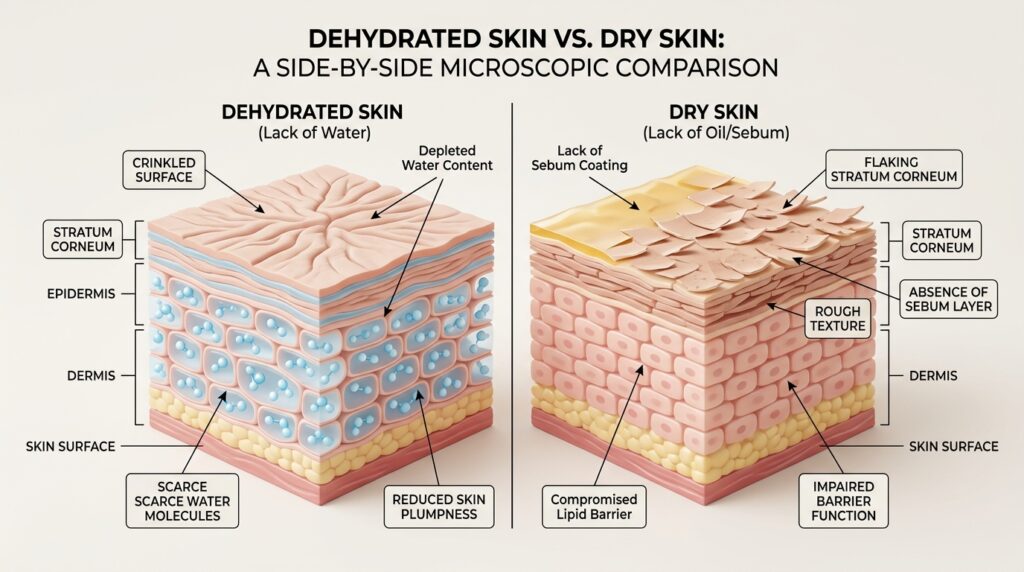
Side-by-Side Comparison: Dry vs. Dehydrated
Here is how to distinguish between the two states across five primary clinical indicators:
| Feature | Dry Skin (Genetic Type) | Dehydrated Skin (Temporary State) |
|---|---|---|
| What It Lacks | Lipids / Sebum (Oil) | Water (Hydration) |
| Pore Appearance | Small, tight, almost invisible | Can be large, normal, or congested |
| Surface Feel | Rough, flaking, dry patches year-round | Tight and crepey, yet often shiny by midday |
| Primary Triggers | Genetics, aging, lower hormone levels | Over-cleansing, AC/heating, harsh acids |
| Treatment Goal | Replenish ceramides, sterols, and fatty oils | Layer humectants and seal with weightless squalane |
The Essential Treatment Duo: Humectant + Squalane
When dealing with dehydration, heavy balms often feel suffocating. The most elegant dermatological strategy is pairing a water-binding humectant serum with a bio-compatible, weightless lipid seal.[3]
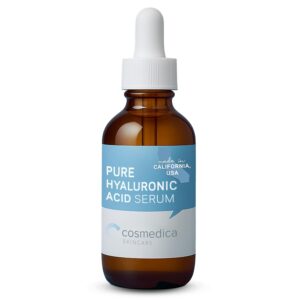
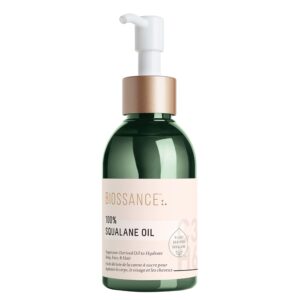
OUR EDIT
The Essential Hydration Pair: Pure Hyaluronic Serum & 100% Squalane
The golden combination for dehydrated skin: apply a multi-weight hyaluronic acid serum on damp skin to flood cells with water, then immediately lock it in with 2 drops of sugarcane-derived pure squalane oil. It relieves tightness instantly without heaviness or clogged pores.
A Quick Self-Check
Troubleshooting Your Symptoms
- If your skin is tight, matte, and flaking all over: You have dry skin. Use a ceramide lipid cream morning and night.
- If your skin is shiny on your forehead but feels pulled taut: You have dehydrated skin. Use hyaluronic acid on damp skin sealed with lightweight squalane.
- If basic moisturizers sting upon contact: Your barrier is compromised. Pause active exfoliants and follow a gentle recovery sequence.
Frequently Asked Questions
Can you have dry skin and dehydrated skin at the same time?
Yes. Because dry skin naturally produces fewer protective lipids, its water seal is weaker, making dry skin especially prone to dehydration. In this scenario, you need both water-attracting humectants and rich physiological lipid creams.
Will drinking more water fix dehydrated skin?
Drinking water supports total body health, but hydration reaches internal organs before the outermost epidermis. If your stratum corneum lacks the surface lipids needed to seal moisture, ingested water evaporates through the skin via transepidermal water loss. Topical humectants and lipid sealing are essential.
Medical & Wellness Disclaimer: The information provided on Hinubix is for general educational and informational purposes only and does not constitute medical, psychological, or dermatological advice, diagnosis, or treatment. If you are navigating persistent sleep issues, chronic stress, or unexplained health or skin concerns, please consult a qualified healthcare professional or board-certified specialist for personalized guidance.”
A Note From Nubix ☁️
“Look up at the soft clouds for ten seconds today. Even on the quietest days, you are blooming in your own lovely way.”
Medical References
This article was developed and fact-checked based on peer-reviewed dermatological research from the following clinical sources:
- The Journal of Clinical and Aesthetic Dermatology. Del Rosso, J. Q., & Levin, J. (2011). “The clinical relevance of maintaining the functional integrity of the stratum corneum in both healthy and disease-affected skin.” Available at PubMed Central ↩
- Dermatologic Clinics. Baumann, L. (2008). “Understanding and treating various skin types: The Baumann Skin Typing System.” Available at PubMed ↩
- Dermatologic Therapy. Rawlings, A. V., & Harding, C. R. (2004). “Moisturization and skin barrier function.” Available at PubMed ↩