Wellness • Sleep Hygiene • Restorative Health
7 Nighttime Habits That Are Secretly Ruining Your Sleep Quality
You went to bed at a reasonable hour, slept for eight full hours, and yet your morning alarm leaves you feeling heavy, exhausted, and mentally foggy. When morning tiredness becomes your default state, the issue is rarely how many hours you spent in bed—it is almost always how deeply your body was able to rest.
Sleep is an intricate natural dance between deep, restorative physical repair and peaceful dreaming cycles. Yet, several common nighttime habits ruining sleep can quietly raise your core temperature or delay your body’s natural sleep signals, keeping you trapped in light, unrefreshing sleep all night long.
The Bottom Line
Key Takeaway: Overcoming the covert nighttime habits ruining sleep relies on two gentle biological triggers: natural melatonin release and a slight drop in core body temperature. By swapping out hidden evening disruptors—like steaming hot showers right at bedtime, bright overhead lighting, or late-night drinks—you give your nervous system the quiet permission it needs to truly restore itself.
In This Feature
Why Sleep Depth Matters More Than Hours
To wake up feeling genuinely renewed, your body needs to cycle smoothly through distinct stages of rest.[1] During deep slow-wave sleep, your heart rate slows down, tired muscles rebuild, and your brain gently clears out the mental fatigue that builds up throughout a busy day.
When your evening routine unknowingly disrupts this natural cadence, your brain stays in a shallow, semi-alert state. Exploring how circadian rhythms alter skin barrier and cellular repair from morning to night highlights how tuning into your body’s natural internal clock makes winding down feel intuitive rather than forced.
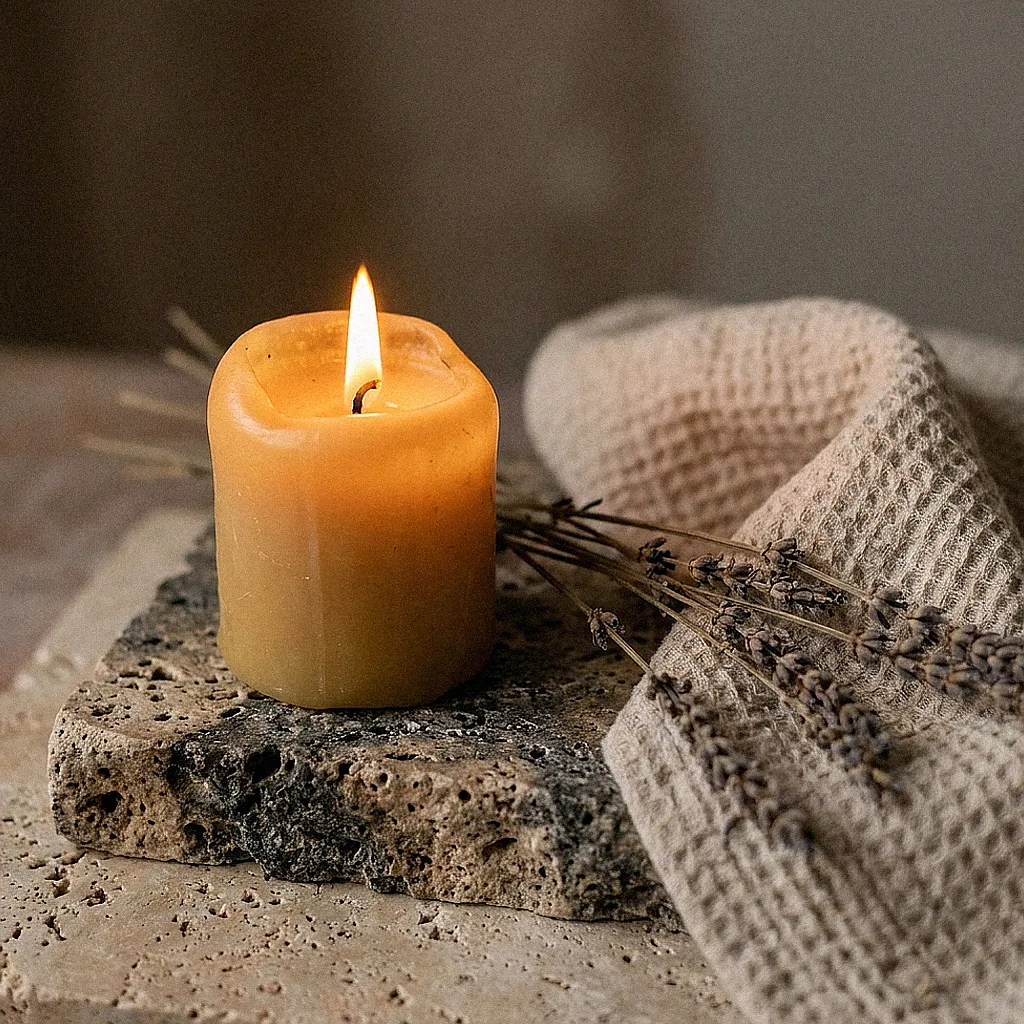
7 Nighttime Habits Ruining Sleep (And How to Fix Them)
1. Taking a Steaming Hot Shower Right Before Climbing into Bed
A warm shower is a beloved evening ritual, but timing is everything. To initiate drowsiness, your body’s internal thermostat needs to drop by about one or two degrees.[2] When you step out of a scorching shower right into bed traps heat inside your core, making it one of the most common nighttime habits ruining sleep.
A Gentler Approach: Take your warm bath or shower about an hour before sleep. This gives your body time to release excess heat into the room, creating a soothing temperature drop that signals to your brain that it is time to rest.
2. Scrolling Under Bright Overhead Ceiling Lights
When a demanding day leaves you with little personal time, staying up late scrolling on your phone feels like reclaiming your freedom. But doing so under bright ceiling fixtures tricks the light-sensitive receptors in your eyes into believing it is still the middle of the day, stalling your natural melatonin production.[3]
A Gentler Approach: Dim the room after 8:00 PM and rely on soft, warm accent lamps. Establishing a grounding weekend reset routine helps release daytime tension earlier, so you don’t feel the unconscious need to steal precious rest from yourself.
3. Relying on a “Nightcap” Drink to Unwind
A glass of red wine or a cocktail might help you feel drowsy, but alcohol is a deceptive sleep aid. As your body works hard to break down alcohol overnight, it fragments your sleep cycles and suppresses essential REM dreaming stages—leaving you waking up groggy and unrefreshed, even if you stayed asleep all night.[4]
A Gentler Approach: Wrap up any drinks with dinner, ideally three hours before bedtime. For an evening ritual that comforts without the crash, try a mug of warm chamomile tea or a splash of tart cherry juice in sparkling water.
4. Keeping Your Bedroom Cozy and Overly Warm
It is natural to associate warmth with coziness, but when your bedroom thermostat creeps above 68°F (20°C), your sleep takes a hit. A warm room prevents your body from cooling naturally, making an overheated bedroom one of the subtlest nighttime habits ruining sleep.[5]
A Gentler Approach: Aim for a crisp, cool bedroom between 65°F and 68°F (18°C–20°C). If your feet get cold, slip on a pair of soft breathable socks rather than cranking up the room heat.
5. Grazing on Sugary or High-Carb Snacks Right Before Sleep
Late-night cookies, chips, or cereal provide quick satisfaction, but late-night sugar grazing is actually one of the most disruptive nighttime habits ruining sleep, triggering sharp blood sugar swings while you rest.[6] In the early morning hours, a sudden dip in blood sugar triggers stress hormones like cortisol, which can abruptly jar you awake at 3:00 AM with a racing mind.
A Gentler Approach: Try to finish substantial snacks two hours before bed. If your stomach is rumbling, reach for a small handful of raw walnuts or pumpkin seeds, which offer natural magnesium without sending your blood sugar on a roller coaster.
6. Replaying Tomorrow’s To-Do List While Lying in Bed
Using the quiet moments before sleep to mentally rehearse tough conversations or organize your schedule keeps your nervous system in high gear. This creates a frustrating mental loop: your brain gradually learns to associate your bed with active worry and problem-solving instead of deep, restful calm.
A Gentler Approach: Do a five-minute “brain dump” at your desk before getting into bed. Writing out your thoughts using reflective thought-clearing prompts parks your concerns on paper, so you don’t have to carry them under the sheets.
7. Drastic Weekend “Social Jetlag”
Staying up until 2:00 AM on Friday and Saturday, then sleeping in until noon, is among the most underestimated nighttime habits ruining sleep, creating an internal rhythm lag known as social jetlag.[7] By Sunday night, your body clock feels as though you have flown across multiple time zones, leaving you staring wide-eyed at the ceiling when you need to sleep for Monday morning.
A Gentler Approach: Try to keep your weekend wake-up time within an hour of your weekday routine. Consistency anchors your body’s rhythm, making falling asleep on Sunday night feel seamless.
The Evening Reset: Healthier Swaps for Tonight
Overcoming the common nighttime habits ruining sleep does not require changing your entire life overnight. Choose just one or two gentle adjustments from the table below to try this evening:
| What You Might Be Doing | Why It Leaves You Tired | A More Restful Alternative |
|---|---|---|
| Hot shower right at bedtime | Traps internal heat under blankets | Enjoy your shower 60 minutes before bed |
| Bright overhead ceiling lights | Delays natural melatonin production | Switch to low, warm ambient lamps after 8 PM |
| A late-night glass of wine | Disrupts deep REM repair cycles | Sip chamomile tea or tart cherry juice |
| Bedroom heated above 70°F | Causes restless tossing and turning | Keep the room cool (65°F–68°F) with cozy socks |
| High-sugar snacks in bed | Blood sugar dips cause 3 AM wakeups | Finish snacks early; enjoy a few raw walnuts |
Frequently Asked Questions
Below are gentle answers to common questions about resetting the nighttime habits ruining sleep.
What should I do if I wake up at 3:00 AM and can’t fall back asleep?
Try not to toss and turn for more than twenty minutes. Get out of bed, settle into a comfortable chair in soft light, and read a physical book until your eyes feel naturally heavy again. This keeps your bed associated strictly with ease and rest.
Can magnesium supplements help quiet a busy mind before bed?
Gentle forms like magnesium glycinate can support GABA—your nervous system’s natural “off switch”—helping both racing thoughts and tight muscles unwind. However, supplements work best alongside healthy lighting and peaceful evening rituals.
Is reading on an e-reader as disruptive as looking at a phone?
No. Warm front-lit e-ink screens reflect gentle light onto the page rather than shining directly into your eyes. As long as the warm light setting is active and you aren’t browsing the web, an e-reader is a lovely, low-stimulation way to unwind.
A Note From Nubix ☁️
“Turn down the lights, let your shoulders drop, and remember that resting your mind is just as productive as any item on your checklist.”
Medical & Wellness Disclaimer: The information provided on Hinubix is for general educational and informational purposes only and does not constitute medical, psychological, or dermatological advice, diagnosis, or treatment. If you are navigating persistent sleep issues, chronic stress, or unexplained health or skin concerns, please consult a qualified healthcare professional or board-certified specialist for personalized guidance.”
Medical References
This article was developed and fact-checked based on peer-reviewed research in chronobiology and sleep medicine from the following clinical sources:
- Journal of Clinical Sleep Medicine. Walker, M. P. (2009). “The role of slow wave sleep in memory processing.” Available at PubMed Central (PMID: 19998871) ↩
- Sleep Medicine Reviews. Haghayegh, S., et al. (2019). “Before-bedtime passive body heating by warm shower or bath to improve sleep: A systematic review and meta-analysis.” Available at PubMed (PMID: 31102877) ↩
- The Journal of Clinical Endocrinology & Metabolism. Gooley, J. J., et al. (2011). “Exposure to room light before bedtime suppresses melatonin onset and shortens melatonin duration in humans.” Available at PubMed Central (PMCID: PMC3048315) ↩
- Alcoholism: Clinical and Experimental Research. Ebrahim, I. O., et al. (2013). “Alcohol and sleep I: effects on normal sleep.” Available at PubMed (PMID: 23347102) ↩
- Journal of Physiological Anthropology. Okamoto-Mizuno, K., & Mizuno, K. (2012). “Effects of thermal environment on sleep and circadian rhythm.” Available at PubMed Central (PMCID: PMC3427038) ↩
- Advances in Nutrition. St-Onge, M. P., et al. (2016). “Effects of diet on sleep quality.” Available at PubMed Central (PMCID: PMC5015038) ↩
- Current Biology. Roenneberg, T., et al. (2012). “Social jetlag and obesity.” Available at PubMed (PMID: 22578424) ↩